
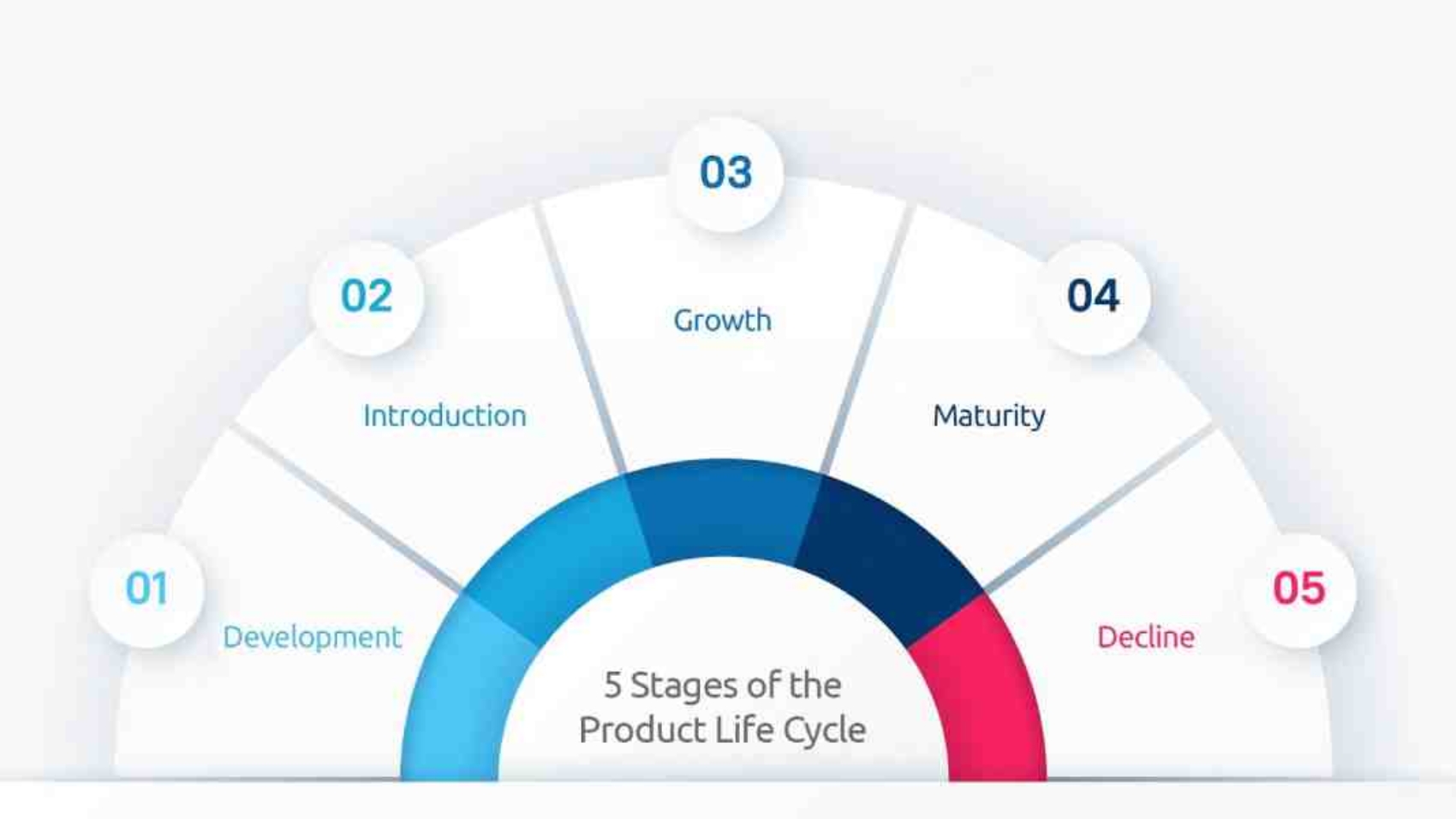
Every business has a life story. It begins very small, like a baby, and grows bigger over time. Some businesses become very strong and last for many years. Others face big problems and stop working. Experts use the idea of the five stages of a business life cycle to explain this journey in a clear way. This simple guide helps you understand what happens in each stage, what problems you might face, and what smart steps you can take to help your business grow and stay healthy.
This article uses very easy words and short sentences so everyone can read and understand it. We will go through each stage slowly, with lots of examples and clear tips. The goal is to help students who study business, people who want to start their own company, and small business owners who want to make better plans.
What Does the Business Life Cycle Mean?
The business life cycle is like the different ages in a person’s life. A person is a baby, then a child, then a teenager, then an adult, and later an older person. Each age has special things that happen. A business works the same way. Most experts say there are five stages of a business life cycle:
- Launch (also called Seed or Development)
- Growth
- Shake-out
- Maturity
- Decline or Renewal
This idea helps everyone see the normal path a company follows. Sales usually start very low, then grow fast, then slow down, and finally may drop unless the company makes big changes. Money coming in and money going out also change a lot during these stages. When you know the stages, you can plan better, avoid common mistakes, and make your business last longer.
Many new businesses do not survive the early stages. Some studies show that almost half of all new companies close within five years. The good news is that when owners understand the five stages of a business life cycle, they can make smarter choices and raise their chances of success.
Launch (Seed and Development Stage)
This is the very first step. It is the time when someone has a new idea and starts to turn that idea into a real business. Nothing is open for customers yet. The owner is still planning everything.
What happens at this stage?
The owner thinks a lot about the idea. They ask questions like: “Will people really want this product or service?” They do research to find answers. They write a business plan that explains the goals, the customers, and how the company will make money. They look for money to start the business. This money can come from their own savings, from family, from friends, or from early investors who believe in the idea.
Money facts in this stage
There are almost no sales at all. The owner spends a lot of money on research, tools, office space, website creation, or first products. Because of this, the cash flow is negative. That means more money goes out than comes in. The business loses money during this time. Profit is also negative.
Big challenges
The biggest problem is that many ideas do not work in real life. People may not want the product. It is also very hard to find money when there is no proof yet that the idea will succeed. A lot of new businesses close during this stage because the owner runs out of money or gives up.
Simple tips to do well
First, talk to many possible customers and ask what they really need. Second, write a clear and short business plan. Third, find one or two wise people who already started a business and ask for their advice. Fourth, start with very little money if possible. Test the idea in a small way before spending a lot.
Real example
The company Airbnb began when two friends needed extra money to pay their rent. They had the idea to let people sleep on air mattresses in their home. They tested this idea with a few guests, got good feedback, and slowly found people who gave them money to grow the idea. That careful start in the launch stage helped them become very big later.
This stage can take months or even years. The owner must be patient and keep working hard even when nothing looks like it is happening yet.
Startup Stage
Now the business opens for real. The owner starts selling products or services to customers. This is an exciting but very hard time.
What happens at this stage?
The first customers arrive. The owner listens carefully to what customers say and makes changes to the product or service. A small team starts to work together. Everyone does many different jobs because there are not enough people yet. The owner works long hours every day.
Money facts in this stage
Sales begin but are still small. The business may still lose money because costs are high. Cash flow gets a little better, but the owner must watch every dollar carefully. Profit is usually very small or still negative.
Big challenges
It is hard to find the first real customers. Bills keep coming even when money is low. The owner and team feel tired. Many businesses close here because they run out of cash before they can grow.
Simple tips to do well
Listen to every customer and fix problems quickly. Keep costs as low as possible. Hire people who believe in the idea and are ready to work hard. Try to get some regular customers who come back again and again.
Real example
The company Dropbox started as a simple tool to share files between computers. In the startup stage, the founders made a short video that explained the idea. Many people liked the video and signed up. This helped them get more users and more money to keep growing.
This stage feels very busy and stressful. The owner needs to stay strong, keep learning, and make small improvements every day.
Growth and Shake-out Stage
Sales start to grow much faster. More people know about the business. The company becomes busier every month.
What happens at this stage?
The business gets many new customers. The owner adds new products or services. The team grows bigger. New jobs are created. At the same time, other companies see that the idea works and start to compete. This creates a “shake-out” where weaker companies leave the market.
Money facts in this stage
Sales go up quickly. The business reaches the point where money coming in is equal to money going out (break-even). After that, profit starts to appear, but it grows slower than sales. Cash flow becomes positive, which is a very good sign.
Big challenges
It is hard to handle so many new orders. Costs go up fast because the company hires more people and buys more things. Competition becomes very strong. Some businesses make mistakes here and lose their place in the market.
Simple tips to do well
Hire experts for important jobs like sales, money management, and customer service. Make sure customers are very happy so they tell their friends. Use the money you earn to grow in smart ways. Watch what your competitors are doing and try to do it better.
Real example
Netflix grew very fast when people loved getting DVDs by mail. Then they saw that the future was online movies. They changed their business to streaming before most other companies did. Because of this smart move during the growth stage, they became much bigger than their old competitors like Blockbuster.
This stage is very important. Good choices here can make the business strong for many years.
Maturity Stage
The business is now grown up. It runs smoothly most of the time. Things feel more calm and steady.
What happens at this stage?
Sales still grow, but very slowly, maybe only a few percent each year. The company has many loyal customers. The brand name is well known. The team is professional. The business makes good profits most of the time.
Money facts in this stage
Sales are high but do not jump up anymore. Profit is steady. The business creates a lot of cash. Banks are happy to lend money because the company looks safe.
Big challenges
The biggest danger is that the business can become boring. If the owner stops trying new things, customers may slowly leave. Some companies stay in this stage for a long time, but others start to decline if they do not change.
Simple tips to do well
Keep looking for new ideas. Try selling in new places or to new kinds of customers. Spend time training the team so they stay happy. Think about whether to sell the business or buy other companies to grow again.
Real example
The company Coca-Cola has been in the maturity stage for many years. They sell the same drink all over the world. To stay strong, they added new drinks like Diet Coke, Zero Sugar, and many fruit flavors. They also buy other companies to keep growing.
This stage can be very comfortable. The owner should enjoy it but never stop planning for the future.
Decline or Renewal Stage
This is the last part of the normal story. Sales start to go down unless the company makes big changes.
What happens at this stage?
Old customers buy less. New customers are hard to find. The products or services start to feel old. The company loses its strong place in the market.
Money facts in this stage
Sales drop. Profits become small or negative again. Cash flow gets bad. The business feels risky once more.
Big challenges
It is hard to accept that problems are real. Changing everything costs a lot of money. Some owners wait too long and lose the chance to fix things.
Simple tips to do well
Look honestly at the problems. Get help from experts who know how to turn businesses around. Try new products, new ways to sell, or new customers. If renewal is not possible, plan a careful sale so the owner can get good value.
Real example
Kodak was once the biggest company for cameras and film. When digital cameras came, they did not change fast enough. They lost almost everything. But companies like IBM faced similar problems and chose renewal. They moved from old computers to cloud services and artificial intelligence, which helped them start growing again.
Many smart businesses try to renew before decline becomes too bad. Renewal can start the whole cycle again with new energy.
Why Knowing These Stages Helps Everyone
Students who study business learn the five stages of a business life cycle to understand how companies work. People who want to start a business can plan better and avoid early mistakes. Small business owners can see where they are and know what to do next. Helpers and advisors use these stages to give good advice to their clients.
The most important lesson is this: every stage has both good times and hard times. The companies that last longest are the ones that stay flexible, listen to customers, and keep trying new things even when everything feels calm.
Final Words
The five stages of a business life cycle give a clear and simple map for any company’s journey. From the very first idea in the launch stage to the calm maturity stage and the important choice between decline or renewal, each part teaches valuable lessons. When you understand these stages, you can make better plans, solve problems faster, and help your business grow stronger and last longer.
No business stays the same forever. Change is normal. The best owners accept change, learn from every stage, and keep working to make their company better.
Where do you think your own business or idea is right now in the five stages of a business life cycle? What is one small thing you can do this week to take the next good step?
References
- Corporate Finance Institute – Business Life Cycle – Great for students and finance learners with money details and graphs.
- Digital Silk – Business Life Cycle Stages – Helpful for new owners with real tips and examples.
These sources give true facts and useful ideas for everyone learning about business growth.