

As a startup boss or IT person in a small group, you deal with online dangers without a big safety team. You need tools that give fast, helpful warnings about bad things like viruses or fake emails. In this guide, we look at which is the best threat intel platform for startups. We focus on choices that work with little money, quick setups, and growing companies. We use ideas from real people on sites like Reddit, review spots like G2, and expert lists to help you choose.
What is Threat Intelligence for Startups?
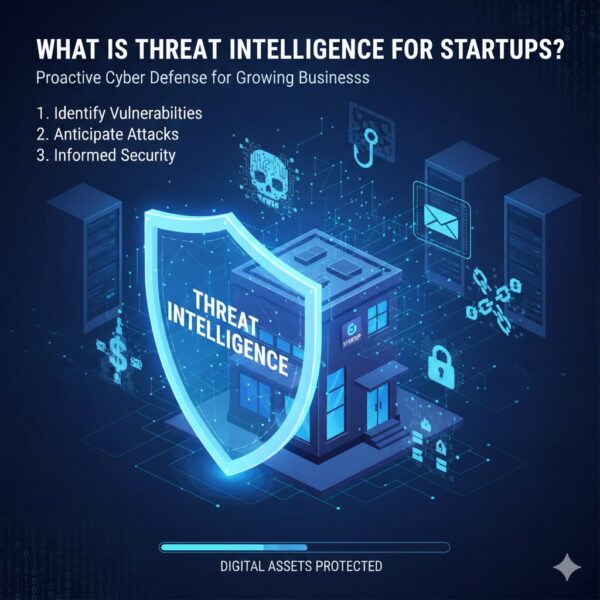
Threat intelligence collects info on possible attacks to help you stay safe. For startups in top countries like the US, UK, Canada, Australia, and Germany, this means finding risks early without using too many resources. Startups often have few workers—maybe just a handful doing all jobs from coding to safety. From talks online, many small groups don’t have full-time safety centers because they lack people or cash.
Why is this key? Online attacks hurt small companies a lot. Numbers show 43% of hacks aim at small firms, from a Verizon study. Threat intelligence tools for small businesses turn basic info into steps you can take, like stopping a bad web address before it harms you. They add details to data, connecting risks to your setup, so you don’t get too many useless alerts.
Main needs for startups are:
- Low price: Free or cheap plans under $100 a month.
- Simple start: No big machines or long lessons needed.
- Useful tips: Tools that cut out junk and give fixes.
- Grow with you: Fits as your company gets bigger, works with tools like SIEM (a system that tracks safety events).
- Bendable: Good for cloud setups that startups use a lot.
We pick ideas from Reddit chats where people share real picks for small groups, G2 scores that show fits for tiny businesses, and Wiz’s lists of free data sources.
How to Pick a Threat Intel Platform
Choose one that fits your startup’s size. If you’re starting with your own money and 5-20 people, go for open-source threat intelligence platforms or free data. For funded companies growing to 50 workers, try cheap paid tools with extras like auto help.
Check these things:
- Money match: Find free levels or low start costs.
- Easy to set up: Cloud ones start in minutes.
- Good info: Like real-time threat analysis and threat enrichment to make data helpful.
- Links to other tools: Join with SIEM integration or SOAR integration for auto fixes.
- What users say: Look at scores for less wrong alerts and giving IOCs (indicators of compromise).
Bold tip: Begin small. Try free data before buying a full tool.
Best Threat Intel Platforms for Startups
From 2025 reviews and user talks, here are top picks. We like those for small safety teams, with focus on cybersecurity platforms for startups.
OpenCTI: Top Free Pick for Custom Safety Info
OpenCTI is a favorite on Reddit for startups. This open-source threat intelligence platform lets you gather threat feeds from places like AlienVault OTX and CISA KEV. People like its screen for linking threats, adding details to IOCs, and sending data to SIEMs for warnings.
Good points:
- Free to use, great for affordable threat intelligence tools.
- Quick setup at home or in the cloud—no big setup.
- Grows with you, using your own sources.
- Cuts junk by tying threats to your world.
Bad points:
- Might slow after lots of use; needs fixes.
- Best if you know some tech.
From user feedback like on G2: A small group set it up fast for checks, saying it’s better kept than MISP. For a 10-person startup, it gives cyber threat detection tools with no cost. Price: Free. Good for: Early companies in US or UK needing lightweight threat intel systems.
Cyberint: Best for Clear Warnings with Less Junk
Cyberint, now with Check Point, gets high G2 marks (97/100 from 102 views) for small firms. It watches your online spots, dark web leaks, and fake emails, giving smart AI alerts. Reddit folks say it’s “clear and good” for small groups without safety centers.
Good points:
- Fast threat detection and response with background.
- Easy board; starts quick for startup security software.
- Handles attack surface monitoring and outside risks.
- Joins with SIEMs for auto work.
Bad points:
- Link tool still growing for deep auto ties.
- Price by ask, but people say worth for middle plans.
User notes: A low-money group liked fast risk checks. Costs by ask (often low start), calming for Canadian or Australian startups vs. fake emails. Bold fact: It lowers wrong alerts, matching threat intel solutions that reduce false positives for SMBs.
To find linked scams, see info on spotting odd calls like 8443307185 or 1-8136693601.
Recorded Future: Fancy Pick for Deep Info
If you have more money, Recorded Future is the “best” from Reddit and G2 (97/100 from 109 views). It gets info from web spots, giving risk numbers and profiles. Startups use it to hunt risks ahead.
Good points:
- Top info, spots early.
- Vulnerability intelligence and malware indicators.
- Grows with links like cloud-native security.
- Help from experts for no-safety-team groups.
Bad points:
- Costs a lot; not for own-money starts.
- It takes time to learn big data.
Price: By ask, often at a big company level. For growing US startups, it grows but try free tests. Chats say it beats Feedly for detail.
MISP: Good Free Gather Tool
MISP, another open-source threat intelligence platform, picks up and shares IOCs. It’s group-made, joining with feeds for CTI (Cyber Threat Intelligence) management1.
Good points:
- Free; used in small spots from Reddit.
- Easy share among workers.
- Security automation with codes.
Bad points:
- Screen behind OpenCTI.
- Takes time to set.
Best for German or UK startups wanting best open-source threat intelligence platform for startups. Put on cloud for low work.
For phone threats, see spotting phone scams to add to your info.
AlienVault OTX (Now LevelBlue Labs OTX): Top for Free Group Data
This free tool shares IOCs and virus info. Wiz lists it as a must-have for free threat intel feeds.
Good points:
- Group-checked for right.
- Easy link with SIEMs.
- Focus on endpoint threat intelligence.
Bad points:
- Can have wrong alerts if not sorted.
- Basic without extra pay.
G2 users give high for small groups; start in minutes for cloud threat intelligence solutions. Great for Australian startups watching world risks2.
More Good Choices
- Feedly: Cheap swap for Recorded Future; shows well for best TI tools for SMB.
- CrowdStrike Falcon: End-spot focus with info; high cost but grows (G2: 76/100).
- Microsoft Defender for Cloud: Fits many clouds; $5.11 per item a month, easy for Azure users.
Link these with cyber risk monitoring tools for full safety.
Using Free Threat Info Sources
Startups do well with no-cost stuff. Wiz’s list shows sources like:
- CISA KEV: Tops used weak spots.
- Abuse.ch URLhaus: Tracks bad web links.
- Spamhaus: Stops bad web spots.
Use in tools like OpenCTI for real-time threat analysis. Tip: Auto get them to skip hand work3.
Example: A small Canadian group uses OTX in SIEM for threat enrichment, spotting fake emails early. For scam calls in cyber risks, see protect your phone number online.
How to Link and Use Best Ways
Start easy: Pick cloud-based threat intelligence services for early-stage companies. Steps:
- Check your risks—focus on mail, end spots.
- Choose a tool; test links.
- Set warnings for top IOCs.
- Look each week to fix wrong alerts.
Story: A 15-person UK startup linked OpenCTI to SIEM, cut fix time by half. Nice, it grows as you add people.
For fake number risks, see virtual phone numbers.
Which is the Best Threat Intel Platform for Startups? Our Pick
For most startups, OpenCTI is the best threat intel platform for startups because it’s free, simple, and flexible. If you want nicer, try Cyberint. Always start free and grow.
FAQs
What is the best affordable threat intelligence platform for startups?
OpenCTI gives strong tools with no cost.
Which TI platform integrates easily with SIEM for startups?
Cyberint and Recorded Future do well.
Best cyber threat monitoring solution for SaaS startups?
Microsoft Defender for Cloud for cloud fits.
Low-cost threat intel tools for small cybersecurity budgets?
Free sources like OTX.
Best CTI platform for companies with no SOC team?
OpenCTI with auto warnings.
Conclusion
In conclusion, picking which is the best threat intel platform for startups fits your setup, but choose helpful, growing ones to stay safe without too much work. What online dangers does your startup see—tell in comments for tips!
References
- Wiz Academy’s must-follow feeds: The 13 Must-Follow Threat Intel Feeds – Free stuff good for startups making basic safety skills. ↩︎
- G2’s small-business threat intelligence category: Best Threat Intelligence Software for Small Business – Scores and views for tools fitting low money and workers. ↩︎
- Reddit discussion on threat intelligence software: What’s the best threat intelligence software out there these days? – Ideas from people with small groups on cheap tools. ↩︎